
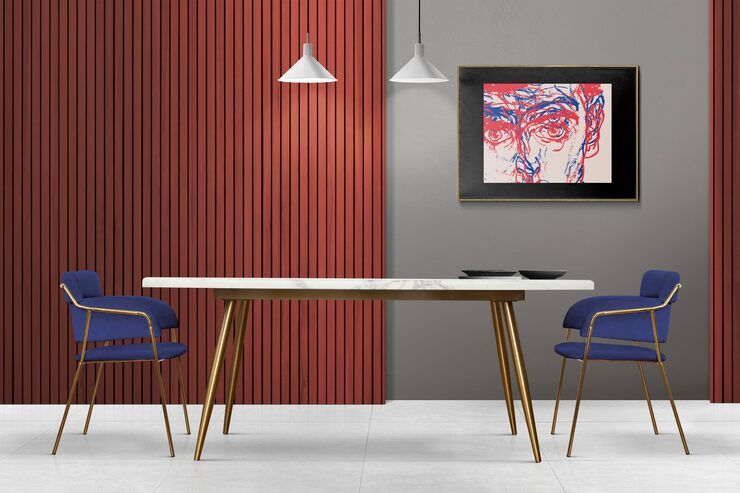
Noise control is often overlooked during renovation planning, yet it can make or break how comfortable a room actually feels. That is where Acoustic Wall Panels come in, offering genuine sound absorption without sacrificing style or warmth.
Made from real wood with a durable veneer finish, these panels manage to combine two things that are usually difficult to find together: elegant appearance and practical acoustic performance. That combination is exactly why they have become popular in both residential and commercial spaces.
Why Sound Control Matters More Than People Realize
Open concept homes, home studios, and busy offices often struggle with echo and excess noise, which can make conversations, calls, and recordings feel uncomfortable or unclear. Addressing this issue often improves a space more than any purely visual upgrade ever could.
- Reduces echo in rooms with hard, flat surfaces
- Improves clarity for calls, recordings, and conversations
- Creates a calmer, more comfortable atmosphere overall
- Works well in home studios, offices, and cafes
- Doubles as an attractive design feature rather than a hidden fix
Because the material is built from solid wood rather than foam or synthetic alternatives, it delivers sound benefits while still looking like a genuine architectural feature rather than a technical add on.
Where This Solution Works Best
Home Studios and Creative Spaces
Anyone recording audio, filming video, or hosting calls from home understands how distracting background echo can be. Installing these panels along key walls noticeably improves sound quality while also making the space look far more professional.
Restaurants and Cafes
Dining spaces often suffer from loud, overlapping noise during busy hours. Adding acoustic paneling helps soften that chaos, creating a more comfortable dining experience that encourages guests to relax and stay longer.
Corporate Offices
Meeting rooms benefit enormously from improved acoustics, since clearer sound leads to better communication overall. A textured wood finish also adds a refined, professional aesthetic that plain drywall simply cannot provide.
How to Choose the Right Panel for Your Space
- Identify which walls generate the most noise or echo
- Decide between horizontal or vertical installation based on your layout
- Select a finish that complements existing furniture and flooring
- Consider Flexible Tambour Wood Panels if your wall includes curves or rounded sections
- Plan for pre finished panels to avoid extra staining or painting steps
Selecting the correct panel style also matters. Stout, sleek, and seamless options each offer slightly different visual textures, so it helps to consider the overall mood you want the finished room to convey.
Installation and Long Term Value
Thanks to a seamless tongue and groove system, installation stays relatively straightforward, even for those without extensive renovation experience. Planks connect cleanly, which keeps the finished wall looking polished rather than patched together.
Over time, the durability of solid wood construction also means these panels tend to hold their appearance far longer than foam based acoustic products, which often degrade, discolor, or lose shape after just a few years of regular use.
Final Thoughts
Balancing style and function is not always easy, but acoustic wood paneling manages to achieve both convincingly. It softens sound, improves comfort, and elevates the overall appearance of a room at the same time.
For anyone renovating a space where clarity and calm truly matter, this remains one of the most effective upgrades available today.